
Mercury Vapour Monitoring
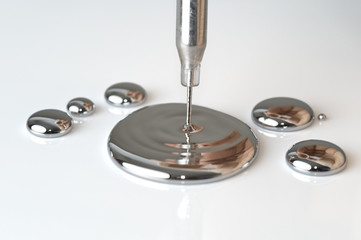
Historically, many University departments used mercury, but nowadays, it's been replaced with safer substances, processes, and equipment. However, traces of mercury can still be found in some buildings and labs due to past spills, breakages, and disposal methods. The biggest health risk from mercury contamination is inhaling the vapour over time. That's why it's crucial to regularly monitor and record mercury vapour levels in known contaminated areas. This helps keep the levels well below the Workplace Exposure Limit (WEL) and reassures everyone working there.
As a general rule, any building with a history of scientific, medical, or dental use up to the late 20th century should be considered a potential site for mercury contamination.
What to expect during a mercury vapour monitoring visit
During a mercury vapour monitoring visit, an Environmental Monitoring Technician will use a mercury monitor to measure vapour levels by waving a probe over the affected/suspect areas. Once the monitoring is complete, you'll receive a report with the readings and advice. The Technician will need full access to all areas during the visit.
Monitoring frequency depends on the situation and severity, and it's mainly done in scientific departments and buildings with historic mercury, especially during refurbishments.
Please note, the Safety Office does not handle mercury spills. Each department should have a mercury spill kit or call a contractor for clean-up.